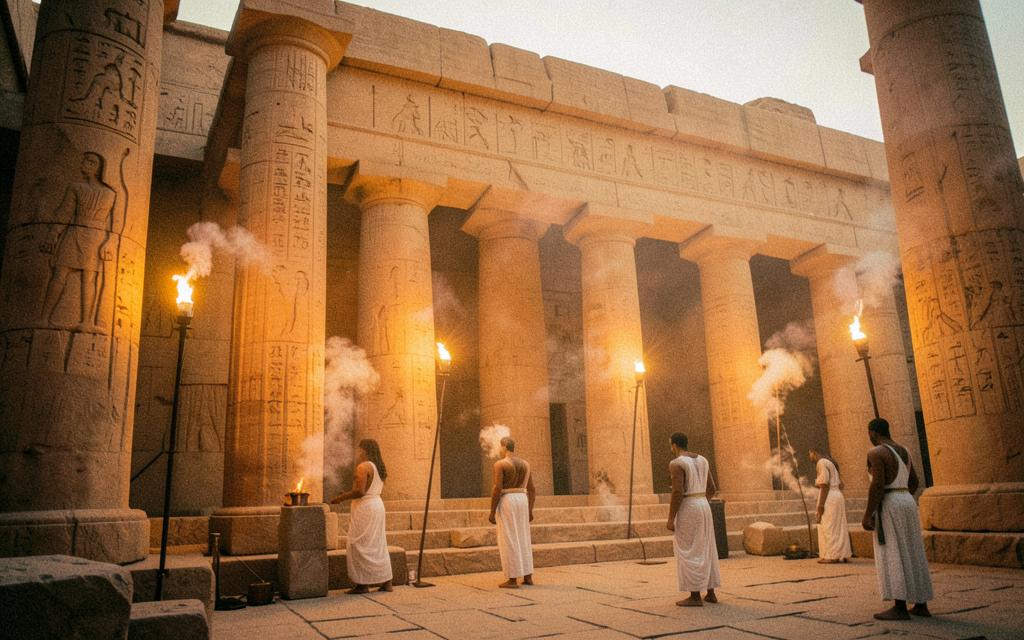
1341 BCE
Karnak Temple, Luxor, Egypt
The largest religious complex ever built. Souls who surface here were usually inside the daily work of it: incense, ink, the counting of grain, the long walk between pylons before dawn.
The record
Every setting below is a real place with a documented history. Your Janmantar reading interprets your submitted details to create a personal chapter there, with your own face wearing the clothes of the age.

1341 BCE
The largest religious complex ever built. Souls who surface here were usually inside the daily work of it: incense, ink, the counting of grain, the long walk between pylons before dawn.

1573 CE
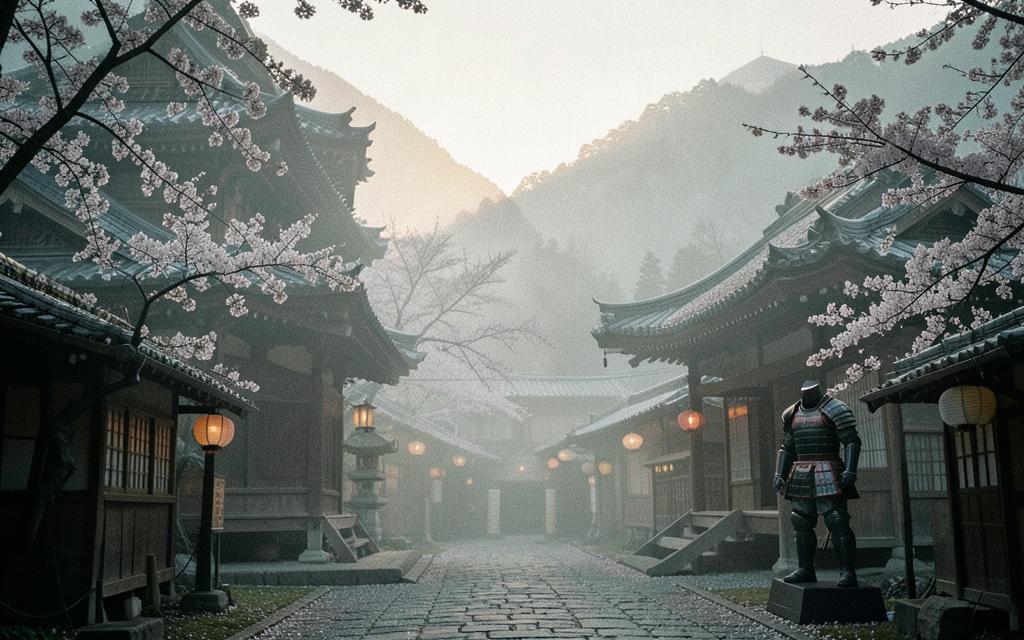
Pilgrim roads through cedar and rain. Lives here are quiet ones: guiding strangers, keeping a shrine dry, saying little and noticing everything.

1687 CE
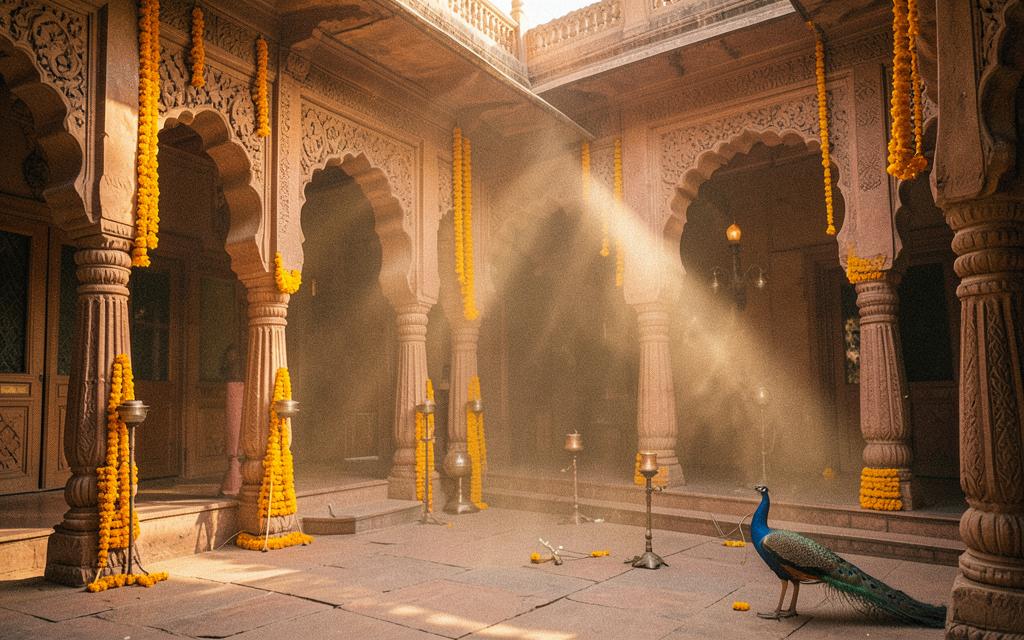
A living fort of yellow sandstone in the Thar desert. Court singers, astrologers and water-keepers, holding a household together while the desert waited outside.

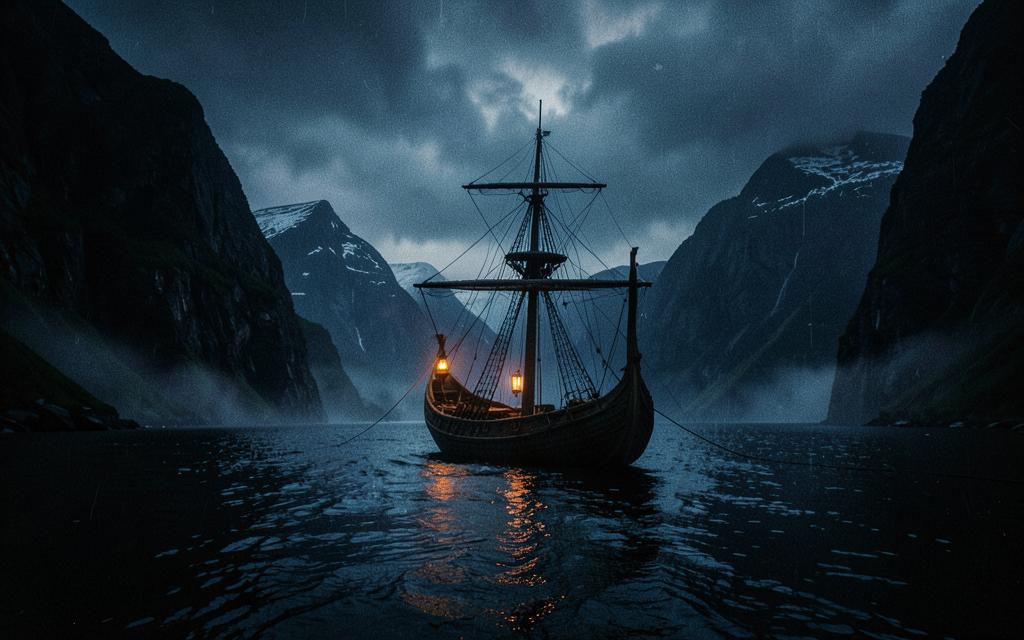
912 CE
Black water under steep rock. Rune-readers and navigators who trusted weather more than men, and left before goodbyes could be said properly.

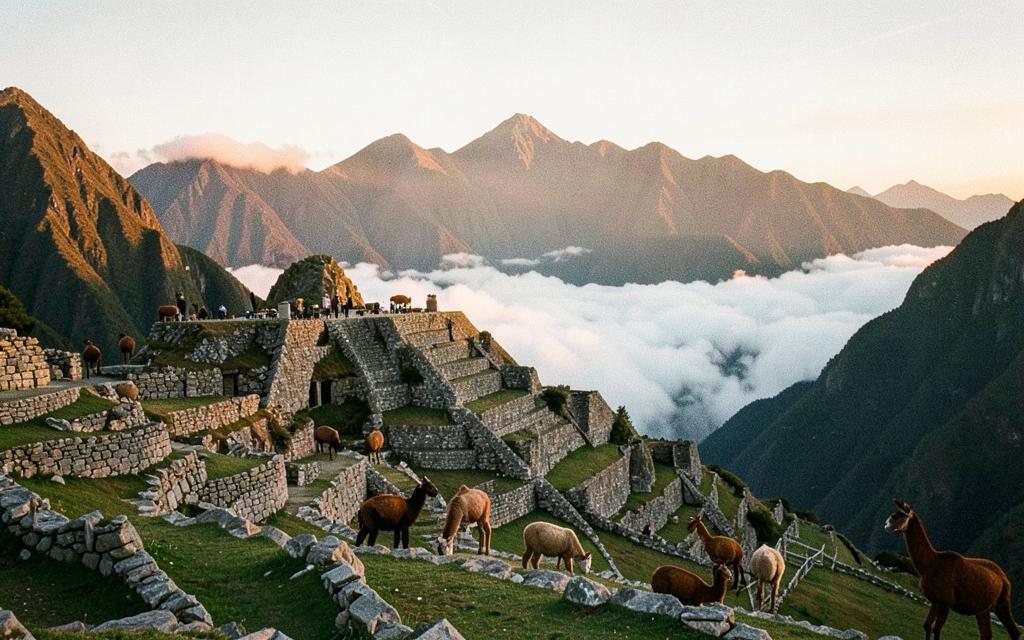
1438 CE
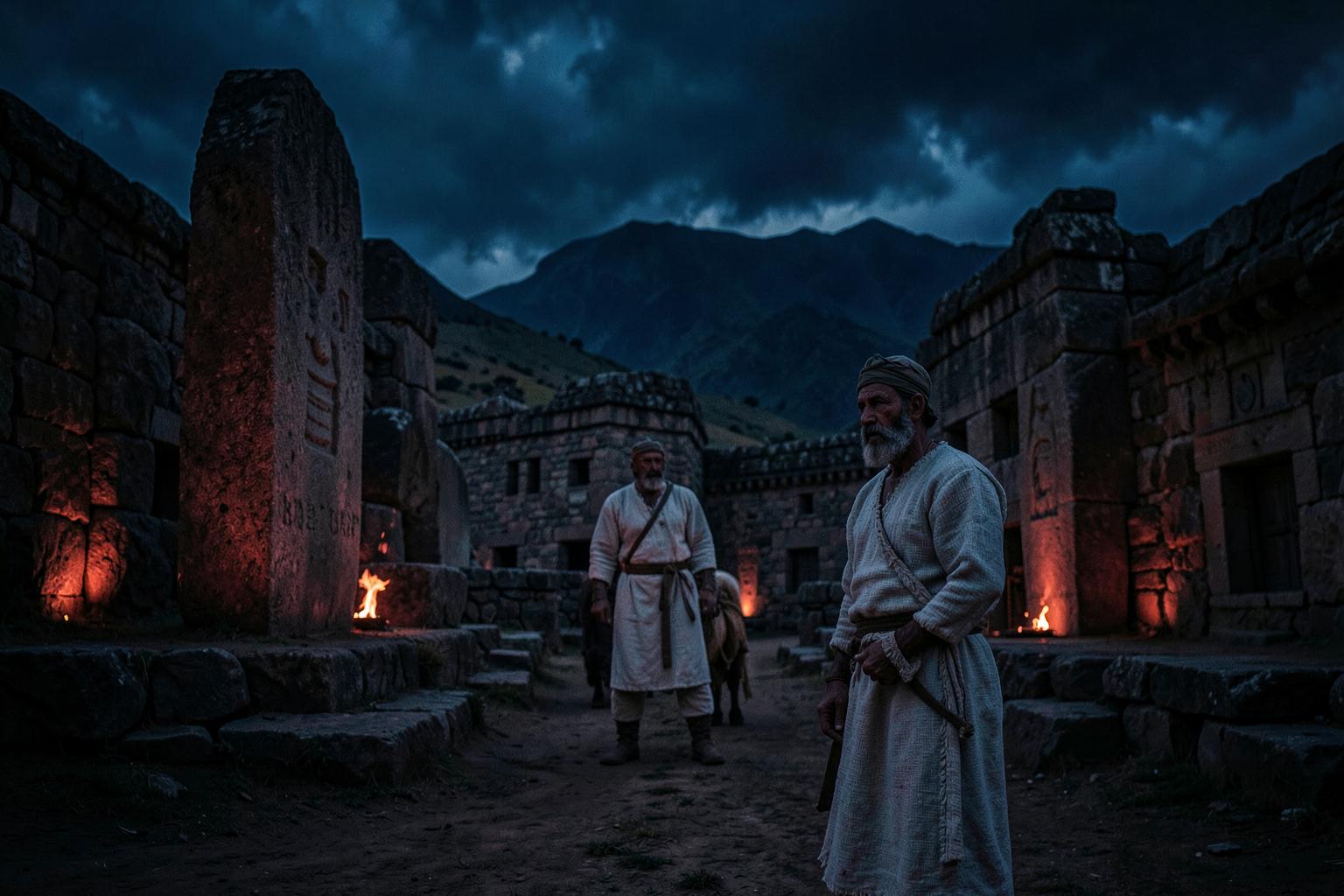
Terraces above the cloud line. Weavers and chaski runners, carrying messages and patterns that had to arrive exactly as they left.

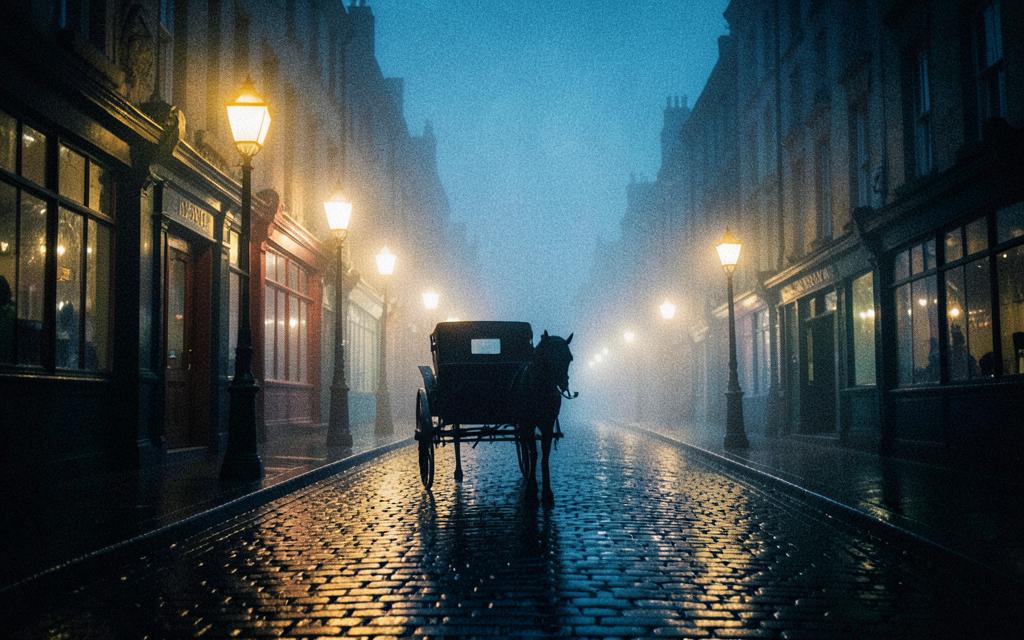
1871 CE
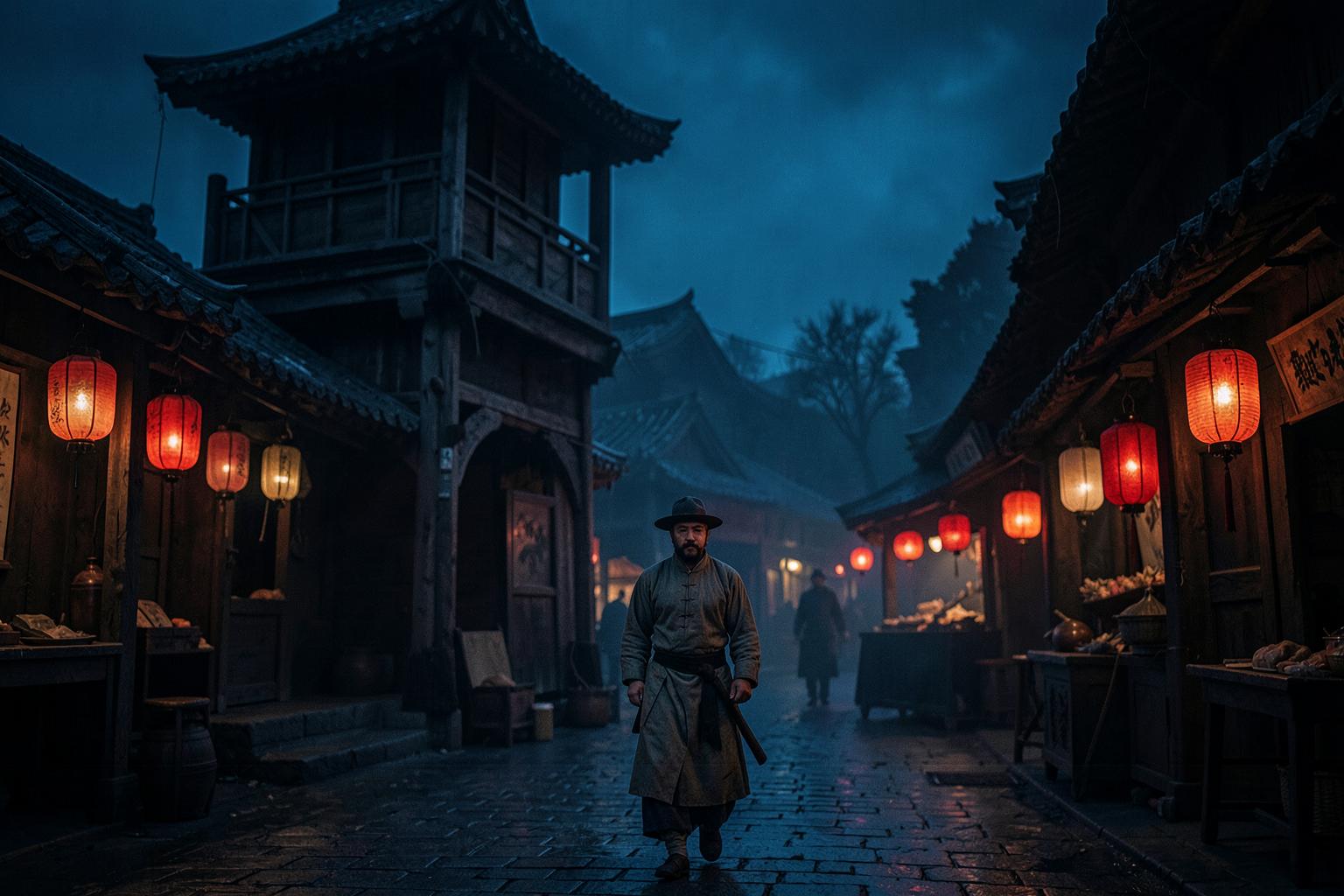
Gaslight, fog and paperwork. Letter-writers, clockmakers and nurses, working nights in a city that never asked how they were.

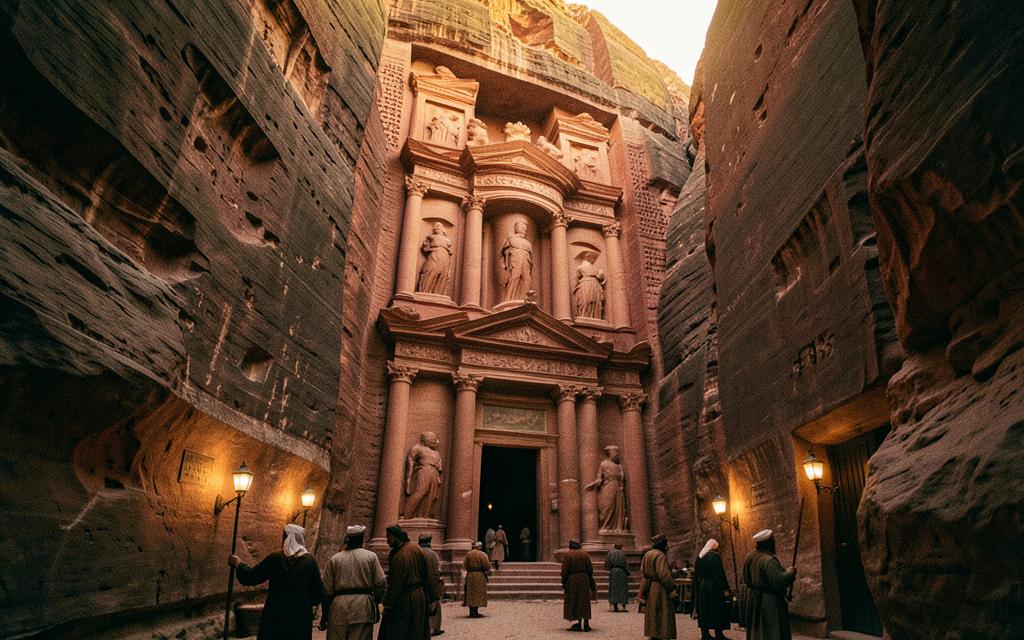
106 CE
A city cut into rose rock, fed by hidden water channels. Caravan lives: bargaining, guiding, keeping the cisterns honest.

1150 CE
Sandstone galleries and monsoon water. Lives spent close to ritual and engineering, where a canal and a prayer were the same job.

1327 CE
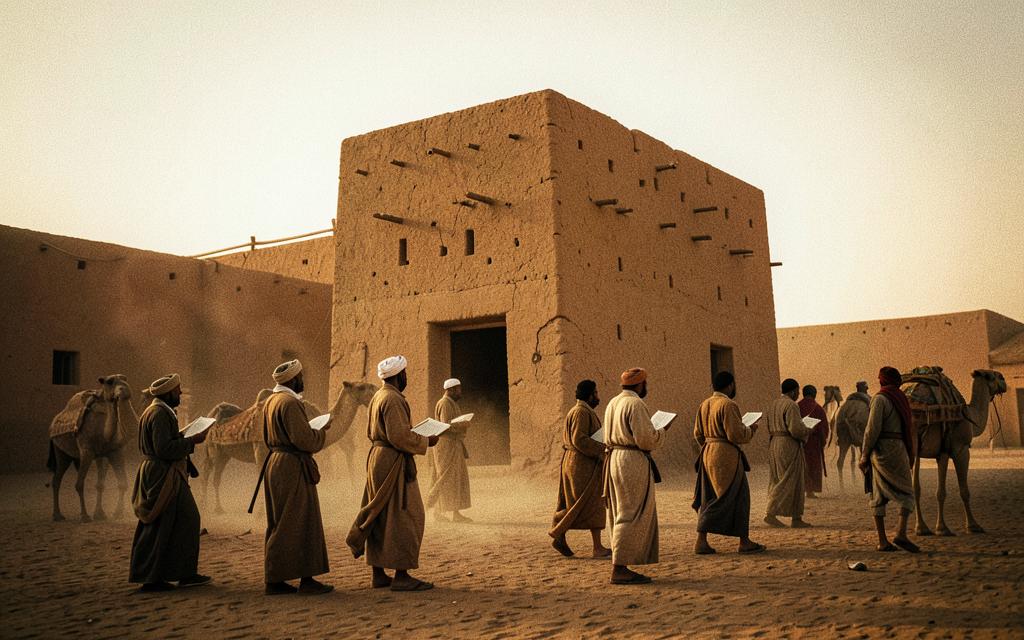
Mud brick and manuscripts. Scholars and copyists on the salt and gold roads, guarding books through drought and rumour.

1204 CE
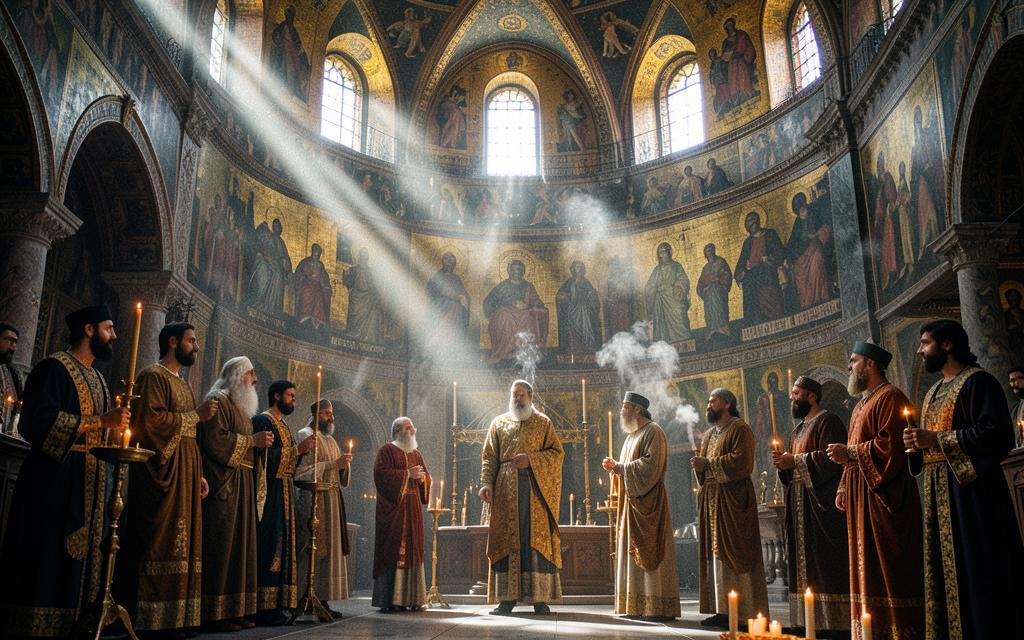
Gold mosaic and enormous light. Lives here are loud with singing and heavy with what happened in 1204.

1093 CE
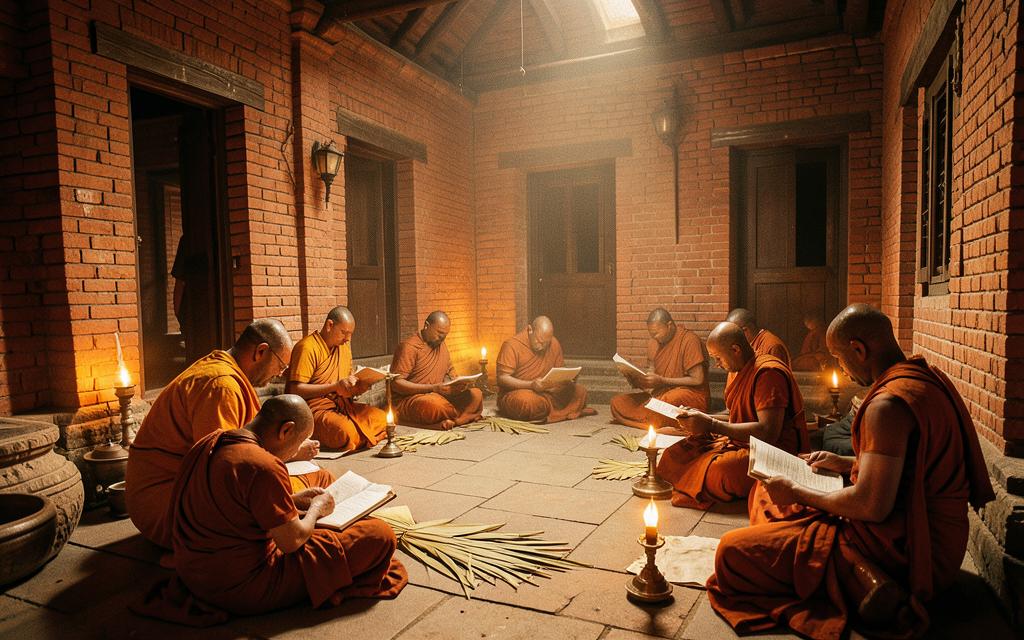
A university of ten thousand, brick courtyards and endless debate. Students and librarians who loved argument more than comfort.

1498 CE
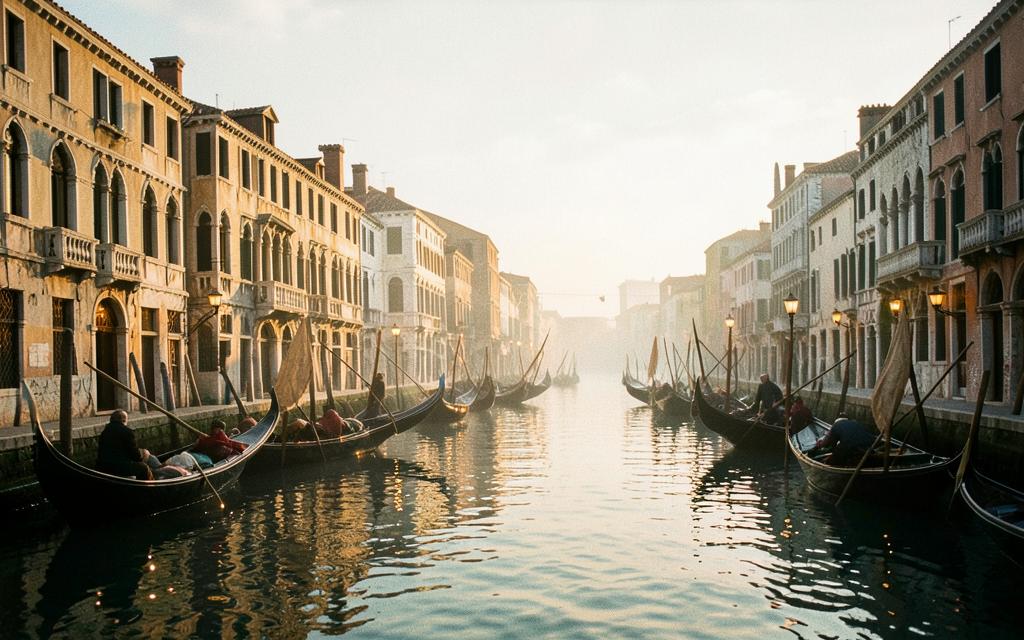
Water instead of streets. Glassmakers, merchants and copyists, living where every fortune arrived and departed by boat.

684 CE
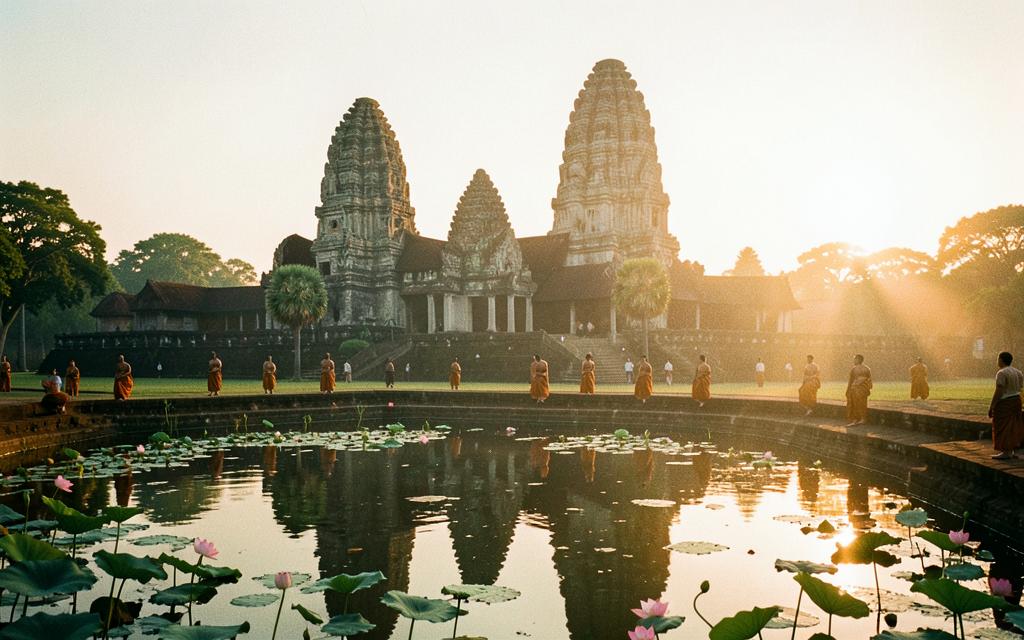
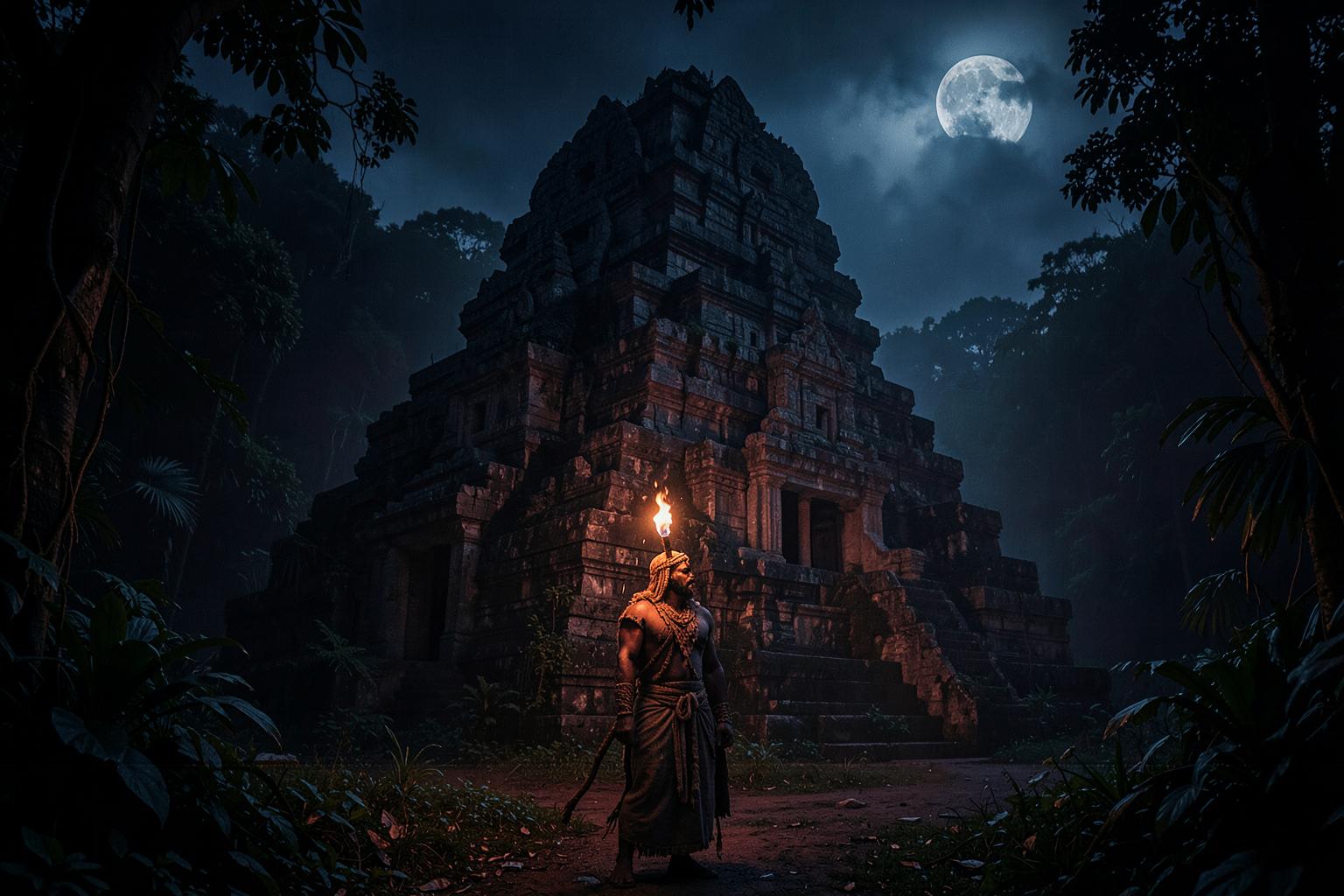
A Maya city held between limestone and rainforest. Astronomers, jade scribes and healers watched rain, rulers and the turning lunar count.

104 BCE
The western gate of the Han capital and the beginning of long roads. Couriers, sky readers and ledger keepers carried messages farther than their names travelled.

347 CE
Granite monuments above the highland trade routes. Interpreters, stone measurers and incense keepers stood where Africa, Arabia and the Red Sea met.

1008 CE
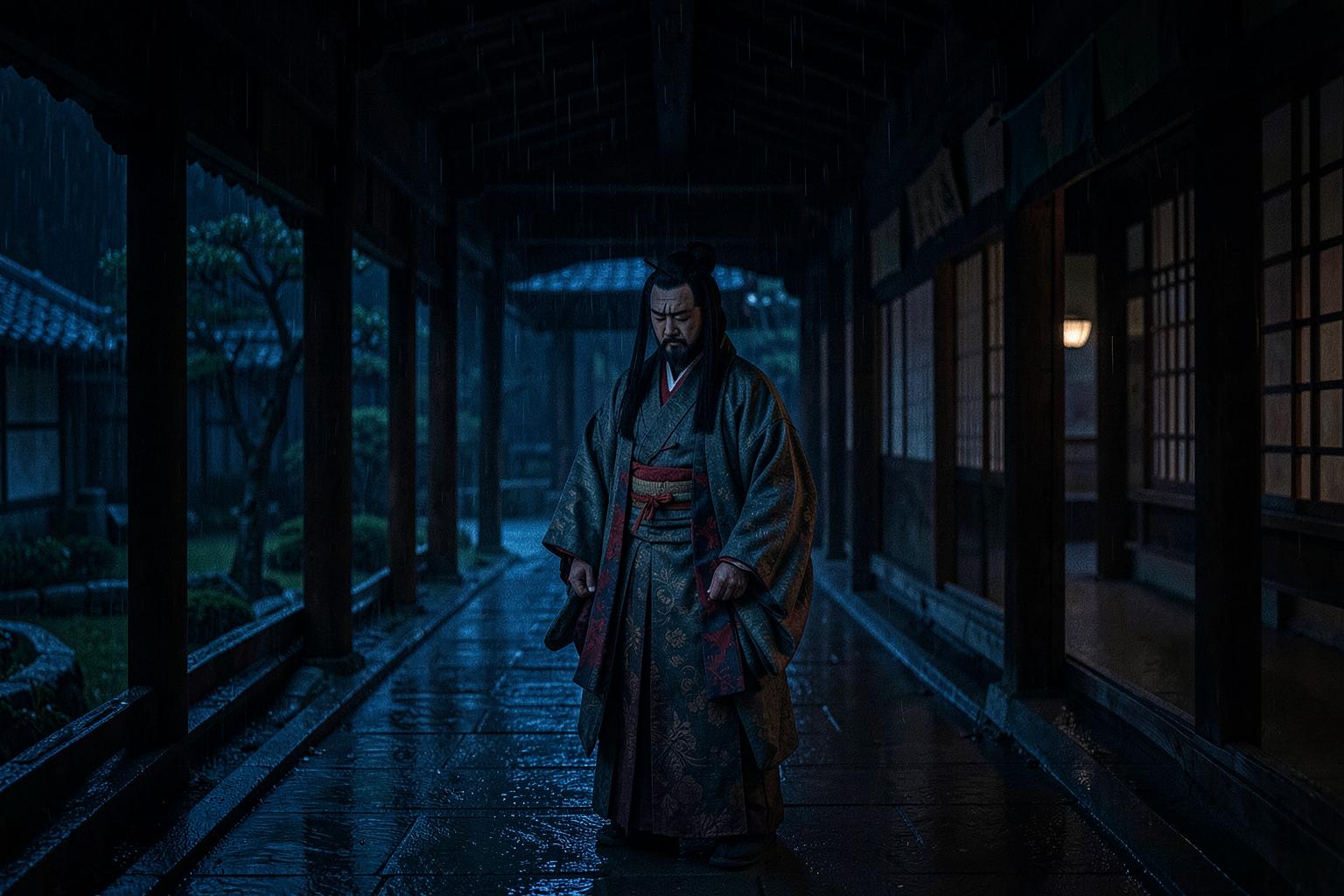
Rain-dark galleries, layered robes and a court governed by ritual. Calligraphers and poets placed dangerous truths inside beautiful lines.
A reading opens nine to twelve of these worlds for you, in order, with the thread that runs between them.
Start my reading